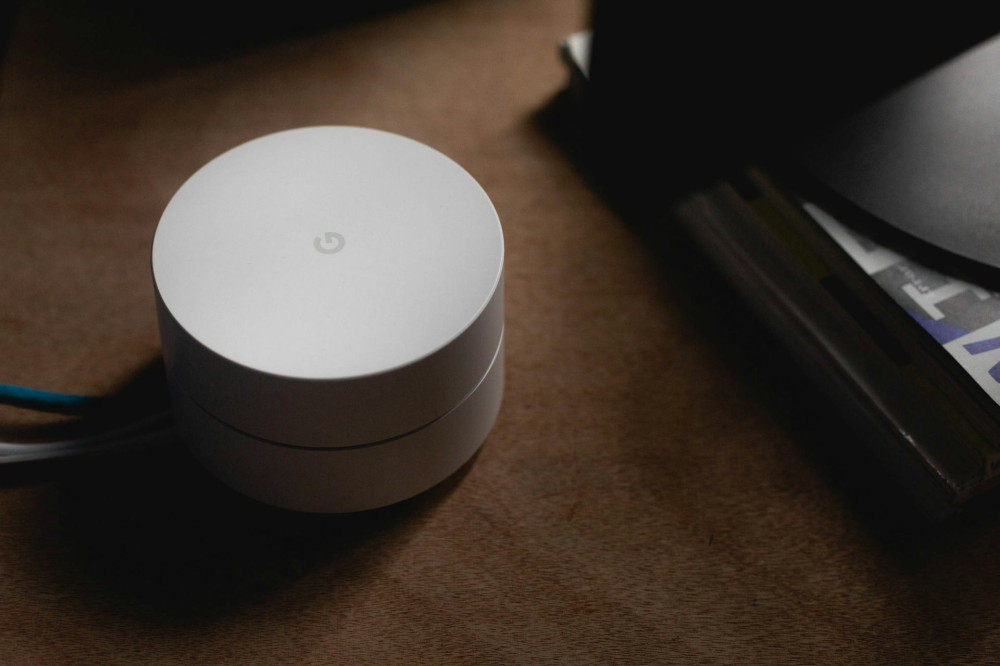
The Future of Home Internet: Anticipating Household Needs Before They Arise

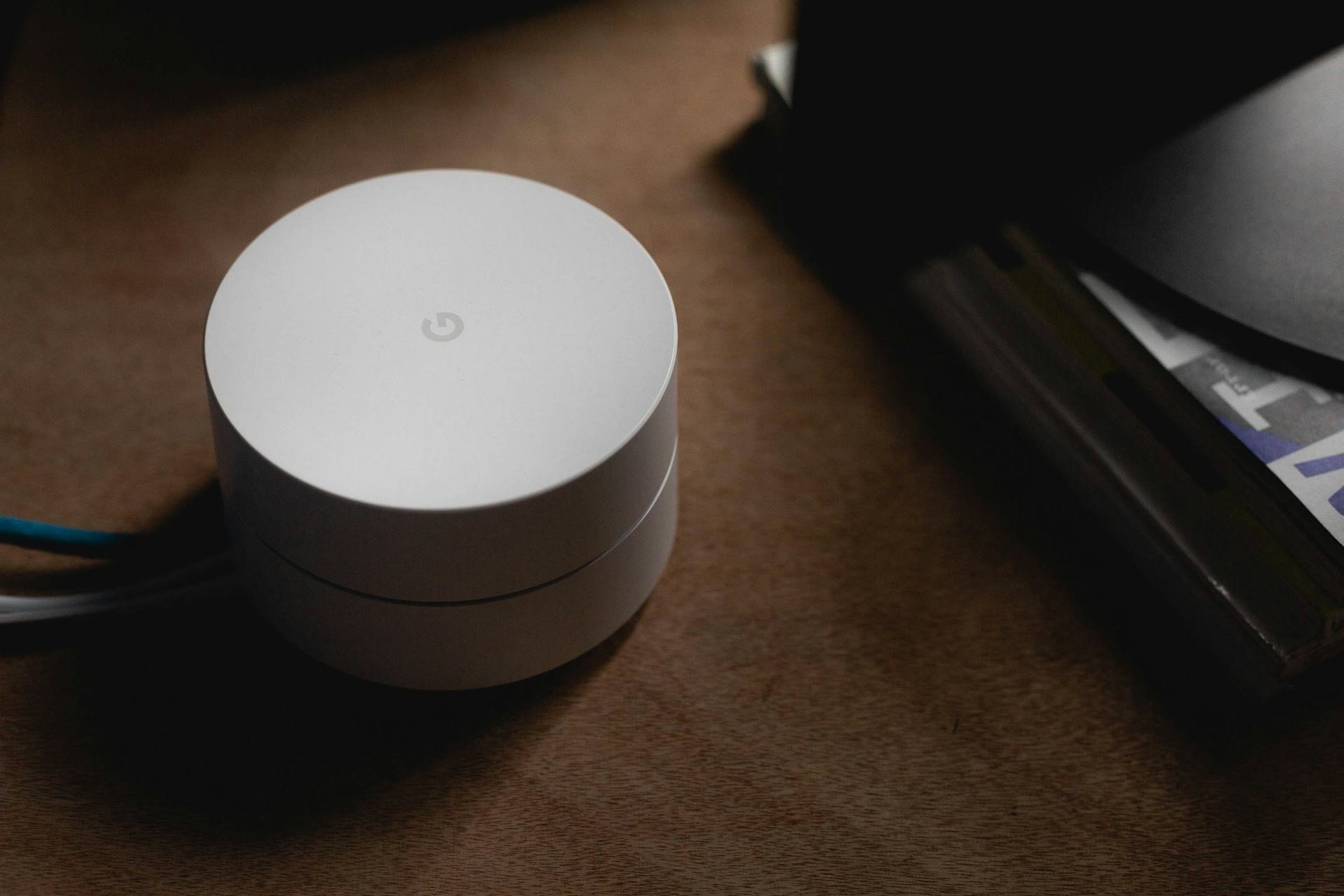
The Future of Home Internet: Anticipating Household Needs Before They Arise
Imagine a home where the internet doesn’t just respond to your actions but predicts them. Where your network automatically prioritizes bandwidth for what matters most—without you lifting a finger. The future of home internet isn’t only about speed; it’s about intelligence, adaptability, and a seamless connection between technology and human life.
From Faster Connections to Smarter Networks
For years, progress in home internet has focused on speed. Fiber optics, 5G, and Wi-Fi 6 have made it possible to stream, work, and game without lag. But the next leap forward is about something deeper: making networks smarter.
With artificial intelligence and machine learning, tomorrow’s routers and network systems will analyze usage patterns and anticipate when and how your household goes online. That means your network could automatically adjust—boosting capacity for video calls during work hours and optimizing for streaming or gaming in the evening.
A Home That Learns From You
These intelligent networks will be at the heart of what’s often called the “adaptive home.” Here, sensors, smart devices, and your internet connection work together to create a smoother, more intuitive daily experience.
- Remote workers will enjoy stable connections because the system recognizes calendar patterns and prioritizes video meetings.
- Gamers and streamers will see fewer interruptions as the network automatically optimizes for high-performance activities.
- Energy efficiency will improve as routers and connected devices shift into low-power mode when no one’s home.
This isn’t about surveillance—it’s about context. The network becomes a quiet assistant that understands your routines and responds accordingly.
Læs også:

Security and Privacy at the Core
As home networks grow more intelligent, the need for robust security grows too. Future systems must protect data and privacy without adding complexity to everyday life.
Next-generation routers will include built-in threat detection that automatically identifies unusual activity—like an unfamiliar device trying to connect. At the same time, users will have clearer control over what data is shared and with whom.
Many U.S. tech companies are already developing solutions that combine security with simplicity. The goal is to make you feel safe online without needing to be a tech expert.
Internet as an Invisible Utility
As more household functions go digital—from thermostats to refrigerators—the internet is becoming as essential as electricity or water. But unlike today, it will soon fade into the background.
Networks will handle updates, troubleshooting, and optimization automatically. You’ll rarely need to restart your router or call customer support—the system will detect and fix issues before you even notice them.
This shift also means internet service providers will evolve. Instead of reacting to outages, they’ll offer “intelligent service packages” that predict and prevent problems, blending technology and customer care into one proactive experience.
Everyday Life With Fewer Interruptions
When technology works best, we hardly notice it. The future of home internet aims for exactly that: a sense of effortless flow where everything just works.
You’ll be able to focus on what matters—your work, your entertainment, your conversations—without worrying about the connection. As more devices become connected, the intelligent network will quietly become an indispensable part of daily life.
A Step Toward the Predictive Home
We’re standing at the edge of a new era where the internet doesn’t just deliver data—it delivers insight. The home itself will become an active partner, understanding your habits and helping you before you even realize you need it.
The predictive home isn’t science fiction—it’s the natural evolution of the technology we already use. And in the coming years, it will redefine what we expect from a truly great internet experience.
Læs også: