Is Fiber Internet the Right Choice for You? How to Assess Your Needs

Is Fiber Internet the Right Choice for You? How to Assess Your Needs
Fiber internet is often praised as the fastest and most reliable connection available. But is it the right choice for you? That depends on how you use the internet, where you live, and what alternatives are available in your area. Here’s a guide to help you evaluate your needs before deciding whether to switch to fiber.
What Is Fiber Internet—and How Is It Different?
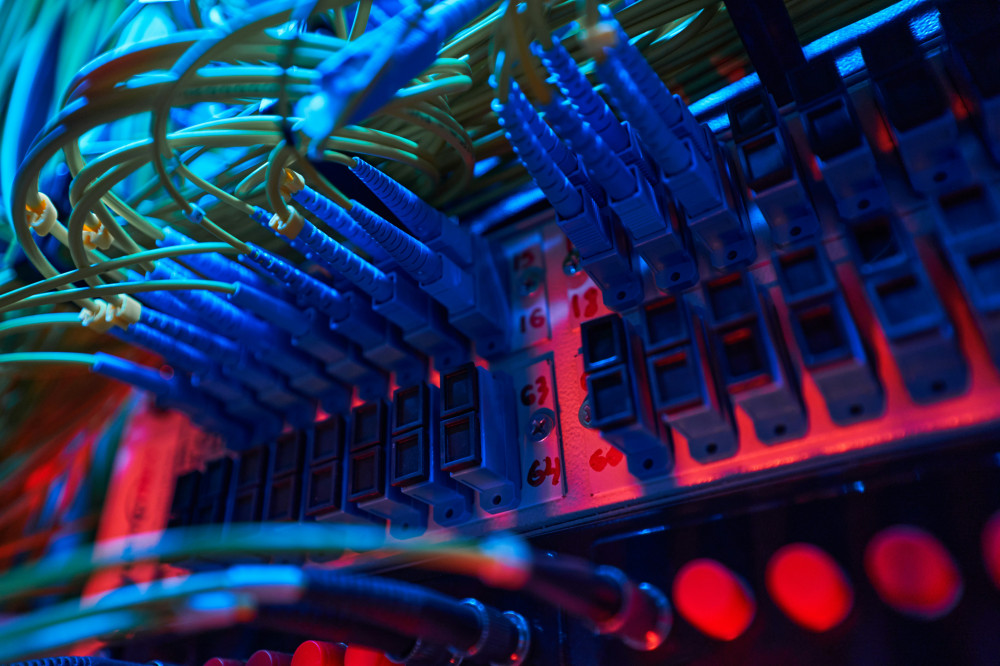
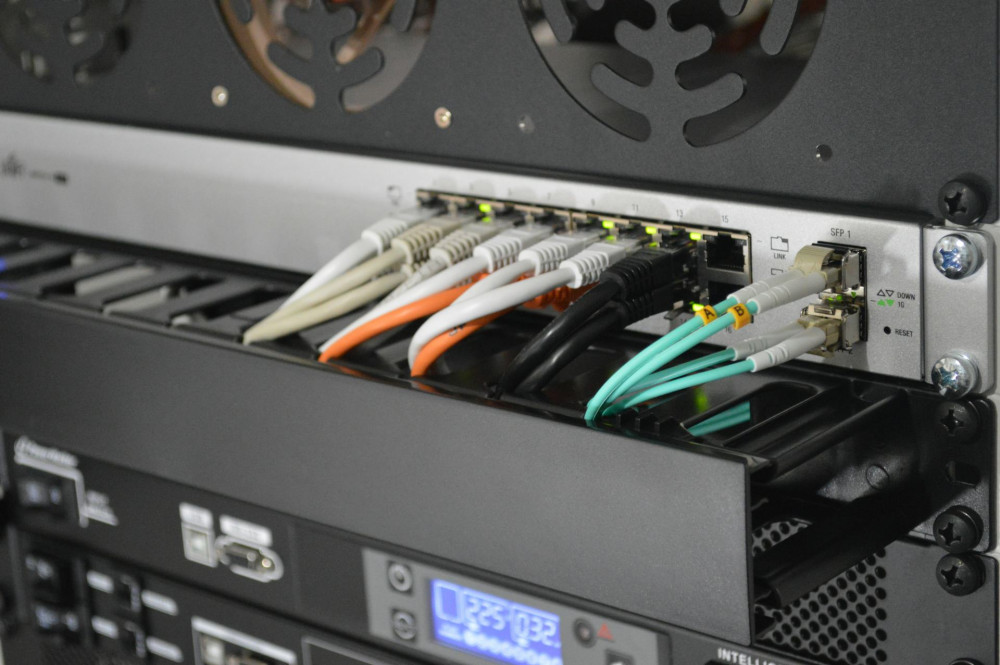
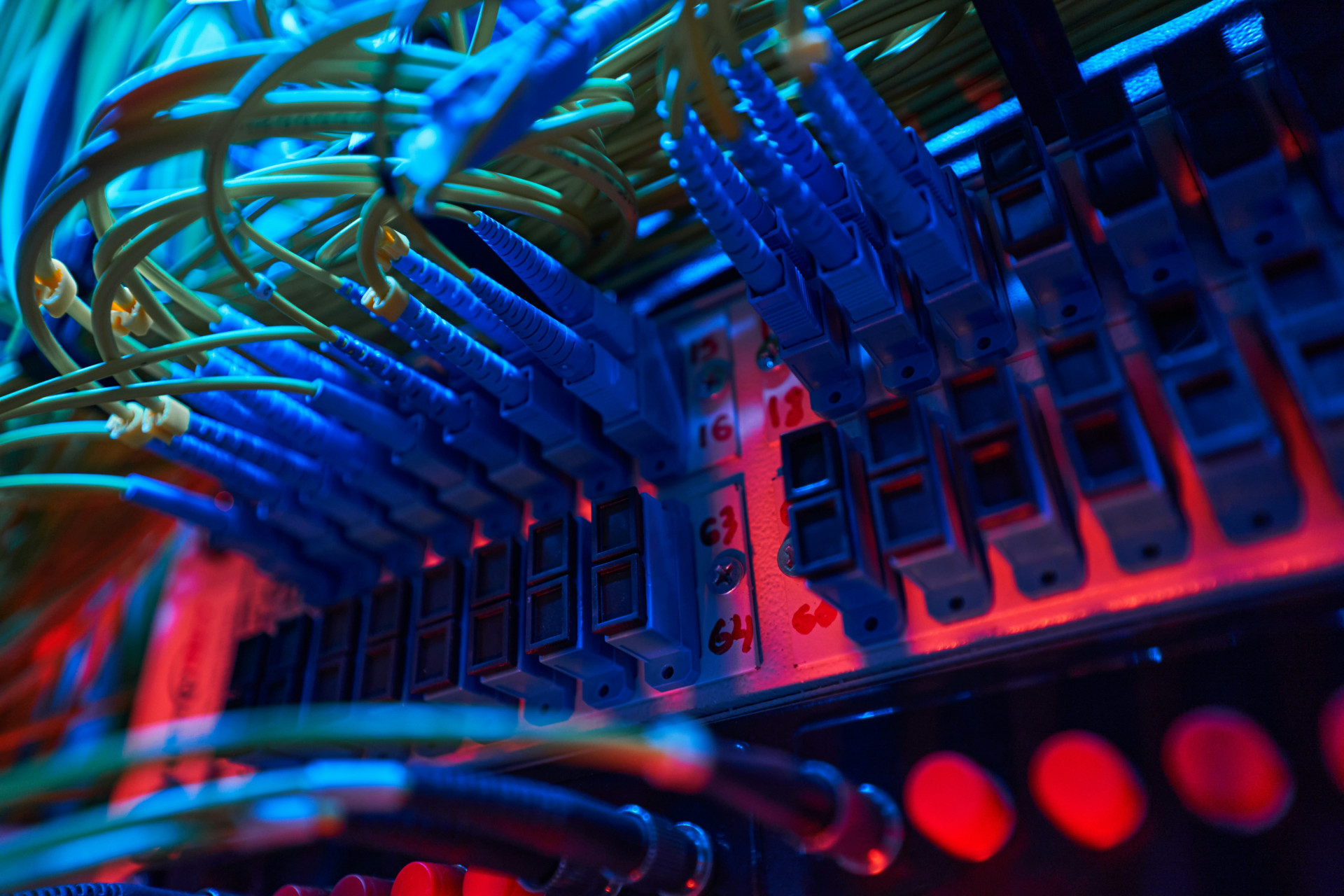
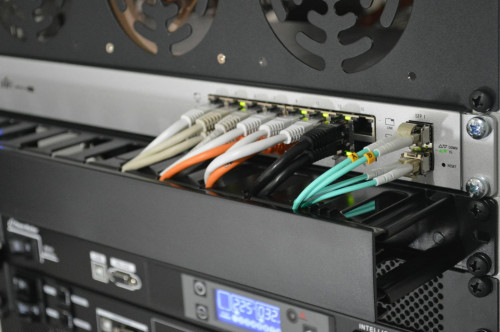
Fiber internet uses fiber-optic cables to transmit data as pulses of light. This allows information to travel at nearly the speed of light and makes the connection less vulnerable to distance or network congestion compared to traditional copper-based DSL or cable connections.
The main advantages of fiber internet include:
- High speed – Fiber offers symmetrical upload and download speeds, which is ideal for video conferencing, cloud backups, and large file transfers.
- Reliability – Fiber connections are less affected by interference or shared bandwidth with neighbors.
- Future readiness – Fiber can support much higher speeds than most other technologies, making it a long-term investment for growing digital needs.
However, fiber requires that cables be installed directly to your home, and not all neighborhoods in the U.S. have fiber infrastructure yet.
Læs også:

How to Evaluate Your Internet Needs
Before signing up for fiber, take a closer look at how you and your household use the internet today—and how your needs might evolve.
- Streaming and gaming: If you stream movies in 4K, play online games, or have multiple devices connected at once, fiber can make a noticeable difference in quality and stability.
- Remote work: If you work from home and rely on video meetings, cloud storage, or large file uploads, fast and stable upload speeds are essential.
- Families with multiple users: Several people streaming, gaming, and downloading simultaneously can quickly strain slower connections.
- Light use: If you mainly browse the web, check email, and watch occasional videos, a good cable or DSL plan may be sufficient.
As a rule of thumb, the more devices and data-heavy activities you have, the more sense fiber makes.
What Does It Cost—and What Do You Get?
The cost of fiber internet varies by provider, speed, and whether installation is required. In some areas, providers offer free installation when they’re expanding service in your neighborhood. In others, there may be a one-time setup fee.
When comparing plans, look at speed, monthly price, and contract terms. Check whether equipment and installation are included. While fiber can be slightly more expensive than cable or DSL, you typically get a faster, more stable, and future-proof connection.
Alternatives to Fiber Internet
If fiber isn’t available where you live, there are several good alternatives:
- Cable internet (coax): Offers high download speeds, though upload speeds are usually lower.
- DSL (copper): Runs through phone lines, but speed depends on your distance from the provider’s central office.
- Fixed wireless or 5G home internet: A flexible option, especially in rural areas, though performance can vary with signal strength and network congestion.
- Satellite internet: Available almost anywhere, but latency and data caps can be limiting for heavy users.
It’s worth checking if fiber expansion is planned in your area before committing to a long-term contract with another technology.
Environmental and Long-Term Considerations
Fiber internet isn’t just fast—it’s also energy-efficient. Fiber-optic cables use less energy per unit of data than copper lines, and the infrastructure can be upgraded without replacing the cables themselves. That makes fiber a sustainable choice both economically and environmentally.
Making the Right Decision
When deciding whether fiber internet is right for you, consider:
- Availability: Can you get fiber service at your address?
- Usage: How much do you use the internet—and for what?
- Value: Will you notice a meaningful improvement over your current connection?
- Future needs: Are your internet demands likely to grow in the next few years?
If you live in an area with fiber access and rely heavily on the internet for work, entertainment, or multiple users, fiber is almost always a smart investment. But for smaller households with modest needs, a reliable cable or DSL plan may be perfectly adequate.
Conclusion: A Choice Based on Needs, Not Just Speed
Fiber internet is the most advanced option available today, but that doesn’t mean it’s necessary for everyone. The key is to choose a connection that fits your lifestyle—technically, practically, and financially.
By assessing your needs, comparing alternatives, and thinking ahead, you can make a decision that keeps your home connected smoothly for years to come.
Læs også: