Friendships Across Screens: How Gaming Strengthens Communities


Friendships Across Screens: How Gaming Strengthens Communities
For millions of Americans, gaming is no longer just a pastime—it’s a social space where friendships are built, nurtured, and sustained. In an age where digital connections shape much of our daily lives, online games have become gathering places that bring people together across age, gender, and geography. But how exactly does gaming strengthen communities, and what does it mean for the way we connect?
From Hobby to Social Hub
Over the past few decades, gaming has transformed from a solitary activity into a deeply social experience. Titles like Fortnite, Minecraft, and Call of Duty: Warzone attract massive audiences who collaborate, compete, and communicate in real time.
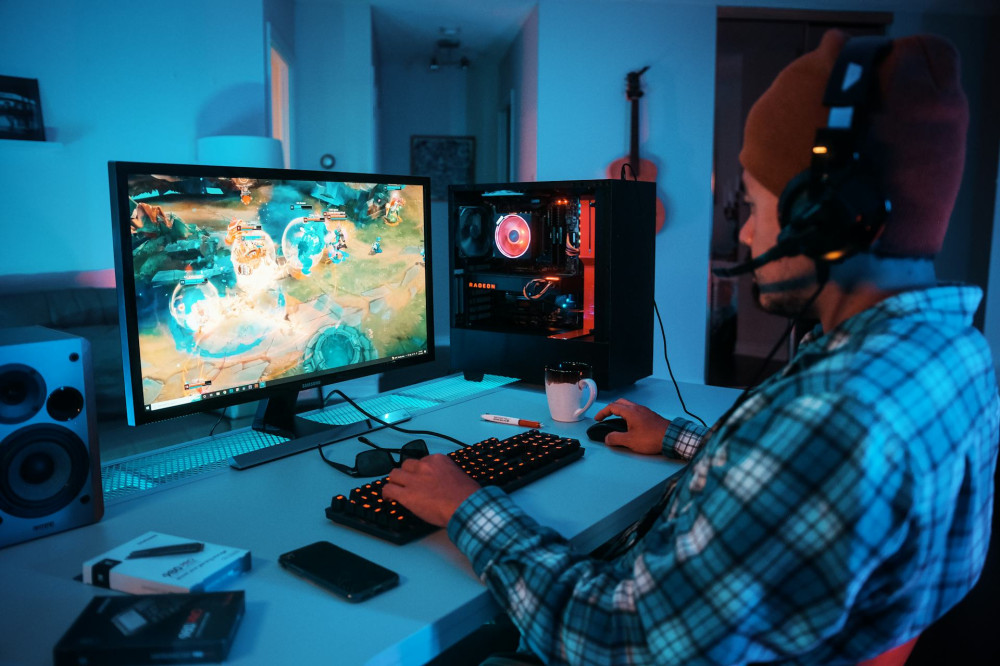
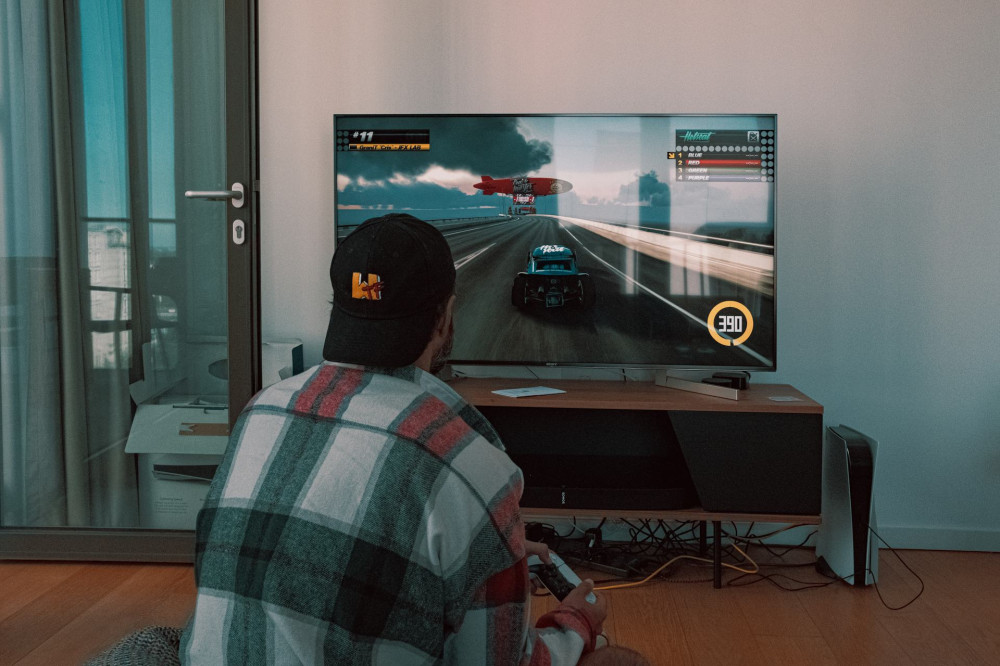
For many players—teens, college students, and adults alike—games serve as digital hangouts. Friends log on after work or school to chat, laugh, and share experiences, even if they live hundreds of miles apart. In that sense, gaming has become a modern version of the neighborhood hangout—just with headsets and controllers instead of coffee cups and couches.
Teamwork and Communication at the Core
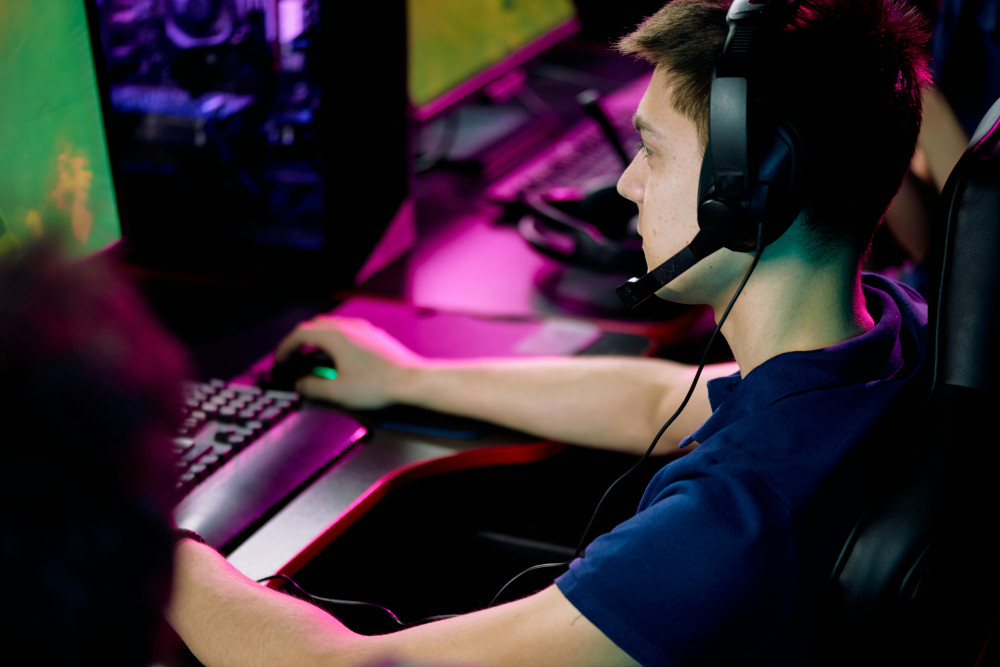
Most modern games rely on teamwork. Whether you’re building a fortress, completing a mission, or strategizing in a battle royale, success depends on communication. Players learn to coordinate, listen, and take responsibility—skills that translate well beyond the screen.
Many gamers say that playing online has improved their ability to collaborate with others, including people they’ve never met in person. For younger players, especially, gaming can be a comfortable way to express themselves and build confidence in social interactions. In these communities, what matters most is skill, humor, and teamwork—not appearance, background, or age.
Connecting Across Borders
One of the most remarkable aspects of gaming is its ability to connect people across cultures and continents. An American player can easily team up with someone from Canada, Brazil, or South Korea in the same match. These interactions foster global awareness and curiosity that few other hobbies can match.
At the same time, gaming also strengthens local communities. Across the U.S., players gather for LAN parties, tournaments, and conventions like PAX or TwitchCon, where online friends finally meet face-to-face. Many of these connections evolve into lasting friendships—and sometimes even romantic relationships.
Læs også:


A Safe Space for Self-Expression
For many, gaming offers a refuge from the pressures of everyday life. It’s a space where people can be themselves, explore creativity, and find acceptance. This is especially meaningful for those who may struggle to fit into traditional social circles.
In virtual worlds, players can choose their roles, customize their avatars, and connect with others who share their interests. That sense of control and belonging can boost confidence and emotional well-being. Studies have shown that when gaming takes place in healthy, balanced communities, it can have a positive impact on mental health and social development.
Challenges and Shared Responsibility
Of course, gaming communities aren’t without challenges. Toxic behavior, exclusion, and harassment can still occur in online spaces. That’s why it’s crucial for players, parents, and developers to work together to create safe and respectful environments.
Many game companies now invest in moderation tools, reporting systems, and campaigns that promote positive communication. Players themselves also play a key role—by supporting one another, standing up against bullying, and modeling good sportsmanship.
Gaming as the Community of the Future
Gaming is no longer a niche interest—it’s a cornerstone of modern culture. For many young Americans, it’s where friendships form, teamwork is learned, and creativity thrives. Gaming isn’t just about entertainment anymore; it’s about connection, collaboration, and identity.
When we recognize gaming as a social space, we open the door to new ways of building community. It’s not about replacing in-person interaction, but expanding it—so that friendships can flourish both on and off the screen.
Læs også: