Artificial Intelligence and Realistic Physics: The Technologies That Are Changing the Way We Play


Artificial Intelligence and Realistic Physics: The Technologies That Are Changing the Way We Play
In recent years, the gaming industry has undergone a technological transformation unlike anything before. Artificial intelligence (AI) and realistic physics are no longer just buzzwords—they’ve become the driving forces behind how we experience and interact with games. From opponents that learn your tactics to virtual worlds where every movement and collision feels authentic, the line between the digital and the real has never been thinner.
When Game Characters Start Thinking for Themselves
Not long ago, enemies in video games followed predictable patterns. Once you figured out their routine, victory was just a matter of repetition. Today, that’s changing fast. With advanced AI, game characters can react dynamically to player behavior, cooperate with each other, and even develop new strategies over time.
Modern action and strategy games now feature opponents that analyze your playstyle and adapt accordingly. No two battles feel the same. In role-playing games, AI gives non-player characters (NPCs) memory and personality—they remember how you’ve treated them and respond differently as a result. This makes storytelling richer, more emotional, and more personal.
Realistic Physics: When the World Feels Real
At the same time, physics engines have evolved to the point where virtual objects behave almost exactly as they would in the real world. Gravity, friction, weight, and motion are calculated in real time, making everything from a falling tree to a car crash look and feel believable.
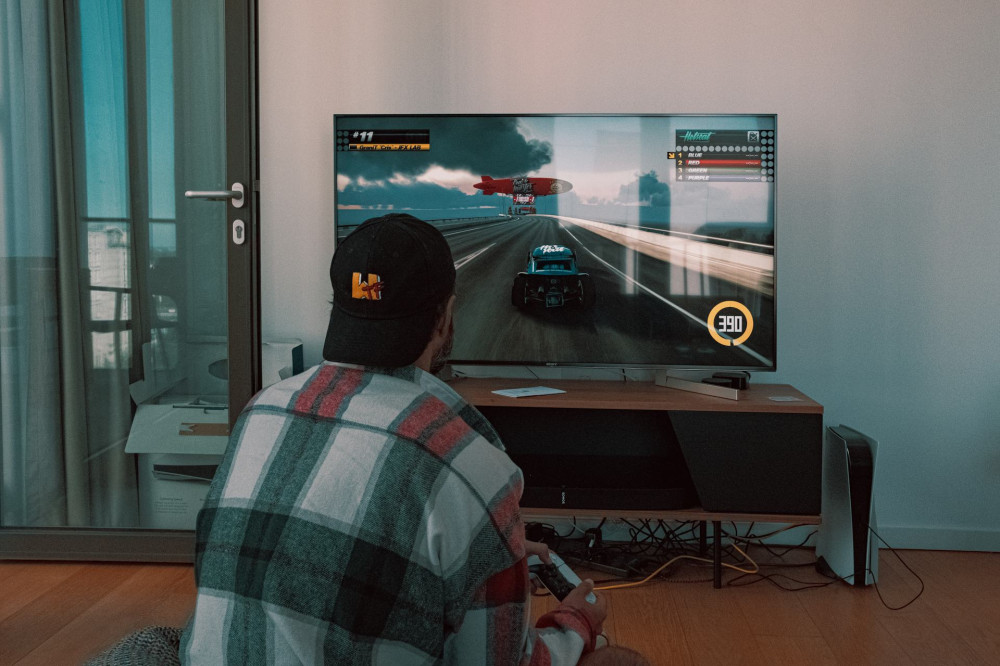
In sports games, the ball’s trajectory depends on wind, surface, and player precision. In racing games, you can feel the difference between asphalt and gravel. In action titles, buildings crumble realistically when hit by explosions. Realistic physics doesn’t just enhance visuals—it changes gameplay, forcing players to think and react as they would in real life.
The Power of Combining AI and Physics
The real magic happens when artificial intelligence and realistic physics work together. Imagine an enemy that not only thinks strategically but also uses the environment intelligently—pushing a barrel for cover or using terrain to gain an advantage. This combination makes gameplay more unpredictable, immersive, and alive.
In many modern games, AI also manages physics behind the scenes. Algorithms can adjust difficulty levels to keep the experience challenging but fair, or dynamically alter weather and environments to create variety and realism.
Læs også:



New Opportunities for Developers and Players
For developers, these technologies open up creative possibilities that were once unimaginable. They can build worlds where everything is interconnected—where player choices, physical laws, and character intelligence influence one another in complex ways. This leads to more open-ended, emergent gameplay that appeals to players seeking depth and authenticity.
For players, it means every experience feels unique. No two playthroughs are exactly alike, giving a sense of ownership and immersion that traditional linear games rarely achieve.
The Future: Games That Learn and Evolve
We’re only at the beginning. With machine learning and neural networks, future games could learn from millions of players’ behaviors and use that knowledge to create even more realistic and personalized experiences. Imagine a game that understands your playstyle, your preferences, even your mood—and adapts accordingly.
Meanwhile, realistic physics will continue to advance as computing power grows. The combination of AI and physics could lead to games that don’t just simulate reality but create entirely new forms of interactivity and creativity.
A New Era of Play
Artificial intelligence and realistic physics are transforming not just how games look, but how we play, think, and feel while playing. They make virtual worlds more alive, more challenging, and more human. And perhaps that’s where the true magic lies—when technology stops being something we notice and becomes something we simply experience.
Læs også: