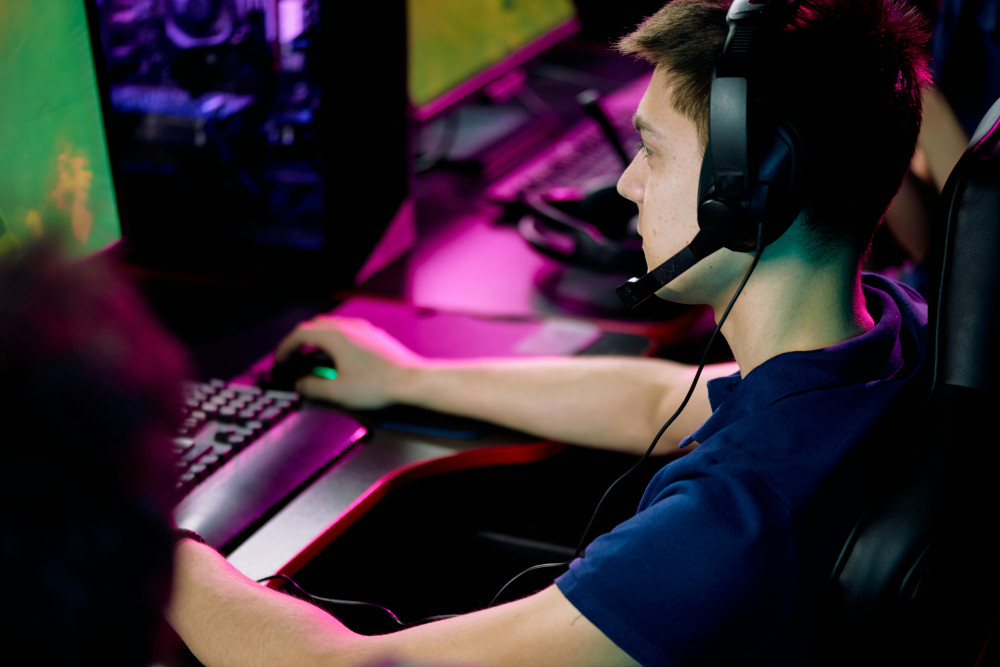
First-Person or Third-Person? The Perspective That Shapes Your Gaming Experience

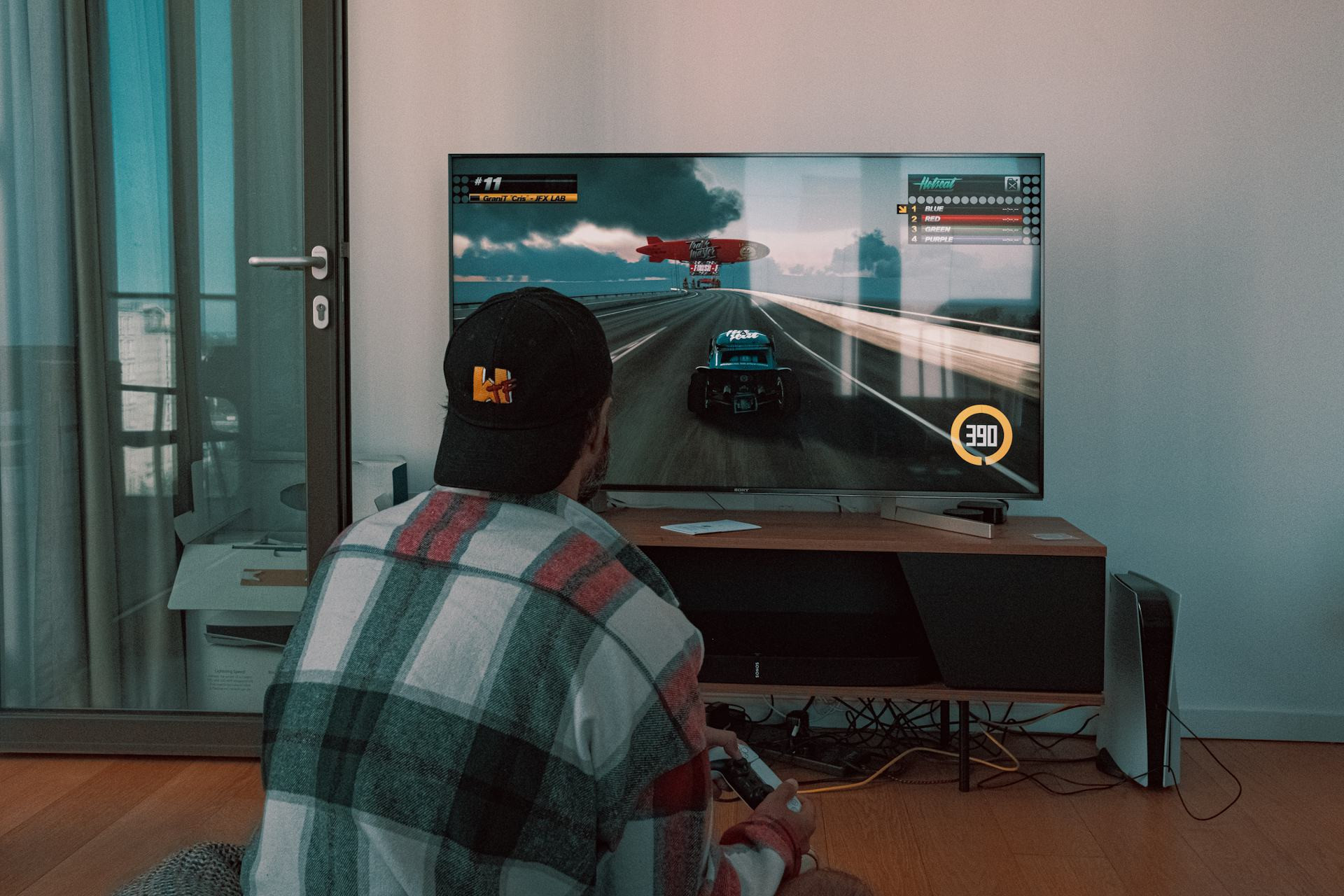
First-Person or Third-Person? The Perspective That Shapes Your Gaming Experience
When you start a new video game, one of the first things you notice is how you see the world: through the eyes of your character or from a viewpoint behind them. The perspective—whether first-person or third-person—affects not only how you move and aim, but also how you experience the story, the atmosphere, and your own role in the game. The choice of perspective is far more than a technical detail; it’s a core part of a game’s identity.
First-Person: Seeing Through the Player’s Eyes
In a first-person perspective, you see the world through your character’s eyes. You don’t see your own body, only the environment, your hands, or the weapon you’re holding. This creates a powerful sense of presence—as if you’re truly inside the game world.
This perspective is common in shooters and immersive adventure games, where quick reactions and realism are key. When you’re creeping through dark hallways or facing enemies head-on, the experience feels immediate and personal. You respond instinctively because you’re seeing the world directly, not through a detached camera.
But first-person has its trade-offs. You lose awareness of your surroundings and can’t see your character’s movements, which can make navigation or platforming more challenging. Still, that limitation often enhances the intensity and realism that many players crave. It’s the perspective that puts you right in the middle of the action.
Third-Person: Awareness and Identity
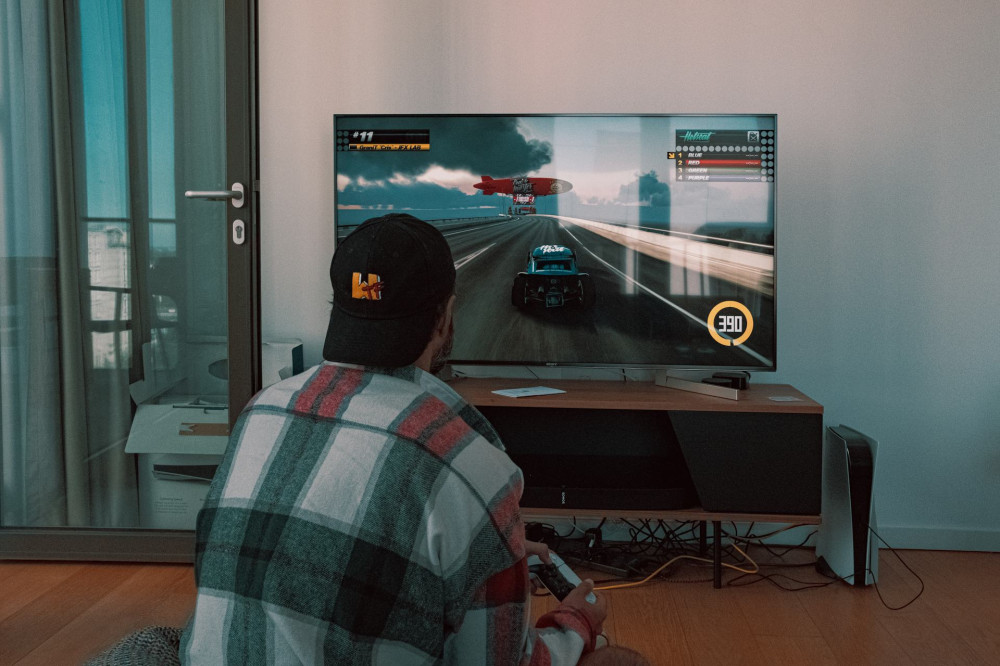
In a third-person perspective, you view your character from the outside—usually from behind or slightly above. This gives you a better sense of your surroundings and makes it easier to control movement, dodges, and combat techniques. It’s a popular choice for action, adventure, and role-playing games, where character design and animation play a big role.
Third-person also allows for a stronger visual identity. You can see your character evolve, change outfits, and express emotions. That visibility helps you connect with them as a distinct individual rather than just an extension of yourself.
At the same time, the distance between player and character can make the experience feel more cinematic. The camera can pan dramatically, highlight the environment, and support storytelling through visuals. That’s why third-person is often favored in games that emphasize narrative and character development.
Perspective as a Storytelling Tool
The choice between first- and third-person isn’t just about gameplay—it’s also about storytelling. A first-person game can create feelings of isolation, vulnerability, or intensity because you only see what your character sees. A third-person game, on the other hand, can use camera angles and framing to show emotion, relationships, and the world in a more film-like way.
Some games even switch between perspectives to emphasize certain moments. A shift to first-person can make a scene feel more personal, while a switch to third-person can provide distance and reflection. In this way, perspective becomes an active storytelling device that shapes how you experience the narrative.
Which Perspective Fits You Best?
There’s no single “right” perspective—it depends on the kind of experience you’re looking for. If you want adrenaline, immediacy, and immersion, first-person might be your best bet. If you prefer a broader view, character expression, and visual variety, third-person could be more your style.
Many modern games let you switch between the two, offering flexibility to match your mood or the situation—first-person for intense combat, third-person for exploration. This adaptability shows just how much perspective influences both gameplay and player experience.
Læs også:


The Perspective as Part of a Game’s Soul
Whichever perspective you prefer, it’s worth remembering that it’s not just a technical choice—it’s part of the game’s soul. It shapes how you feel, act, and understand the world you’re exploring. Perspective helps define whether you are the hero or you’re watching the hero’s journey unfold.
Next time you pick up a game, pay attention to how the perspective affects your experience. You might discover that it’s not just about what you see—but how you see it.
Læs også: