Sustainable IT Through Strategic Hardware Lifecycle Management

Sustainable IT Through Strategic Hardware Lifecycle Management
In modern organizations, managing IT infrastructure goes beyond simply acquiring the latest devices. Effective IT lifecycle management emphasizes sustainability, cost-efficiency, and operational reliability. One key aspect of this approach is the use of refurbished or pre-owned equipment, which allows businesses to extend the useful life of their hardware while reducing environmental impact.
The Role of IT Lifecycle Management
IT lifecycle management involves planning, deploying, maintaining, and eventually retiring technology assets in a structured and efficient manner. By adopting a strategic approach, organizations like https://directhardwaresupply.com/ can maximize the value of each device and reduce unnecessary expenditures. Refurbished hardware plays an essential role in this process, serving as a bridge between older equipment and fully new systems, while maintaining high performance standards.
Lifecycle management begins with assessing existing IT assets and identifying which devices are approaching the end of their functional lifespan. Instead of immediately replacing them with new hardware, businesses can consider refurbishment, upgrading components, or reassigning devices for secondary purposes. This approach minimizes waste, conserves resources, and ensures that technology investments continue to deliver value.
Environmental Impact of Refurbished Equipment
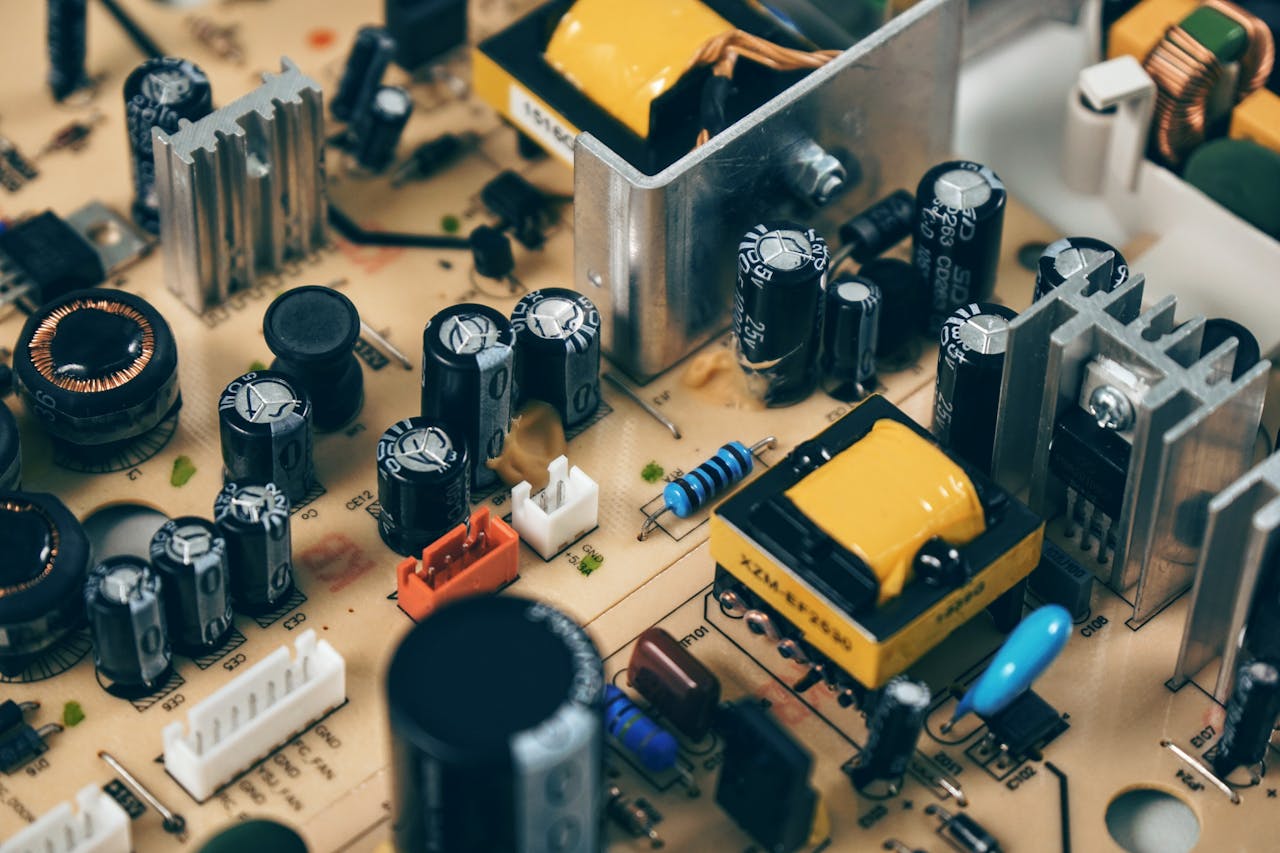
Electronic waste is a growing global concern, and IT hardware contributes significantly to this problem. Manufacturing new devices consumes raw materials and energy, while discarded electronics can release hazardous substances into the environment. Using refurbished IT equipment helps mitigate these issues by reducing the demand for new manufacturing and extending the operational life of existing hardware.
Incorporating refurbished devices into IT infrastructure also aligns with corporate sustainability goals and regulatory expectations. Many organizations now track environmental metrics and report on their efforts to reduce e-waste, making strategic hardware reuse a measurable component of sustainability initiatives.
Cost Efficiency and Operational Benefits
Beyond environmental benefits, refurbished IT hardware provides economic advantages. Organizations can maintain modern, functional systems without incurring the full cost of new devices. This approach is especially valuable for growing companies, educational institutions, or non-profit organizations that need to stretch limited budgets while maintaining reliable IT operations.
Additionally, refurbished equipment often comes thoroughly tested and certified, ensuring performance and reliability comparable to new hardware. When paired with a structured lifecycle management plan, businesses can minimize downtime, optimize workflows, and maintain consistent service quality.
Strategic lifecycle management and the use of refurbished IT hardware provide a holistic approach to technology sustainability. By thoughtfully extending the life of devices, organizations can reduce costs, limit environmental impact, and maintain efficient, reliable IT operations. This approach transforms hardware management from a reactive necessity into a proactive strategy that supports both business goals and sustainability objectives.