Optimizing office acoustics: the synergy of interior design and professional av integration
Electronics
Electronics
22/05/2026

Optimizing office acoustics: the synergy of interior design and professional av integration
Electronics
Electronics
22/05/2026
Modern workplace environments are undergoing a significant transformation as companies strive to balance open-plan collaboration with the need for focused, quiet work. Optimizing office acoustics requires early collaboration between interior designers and professional av integrators to blend sound control with aesthetics, enhancing productivity and user experience in modern workspaces. When these two disciplines work in silos, the result is often a space that looks beautiful but fails to support the complex auditory needs of a hybrid workforce. By prioritizing acoustic performance during the initial architectural planning, businesses can ensure that technology and design work in harmony to foster a more productive atmosphere.
The impact of noise on productivity and sound management
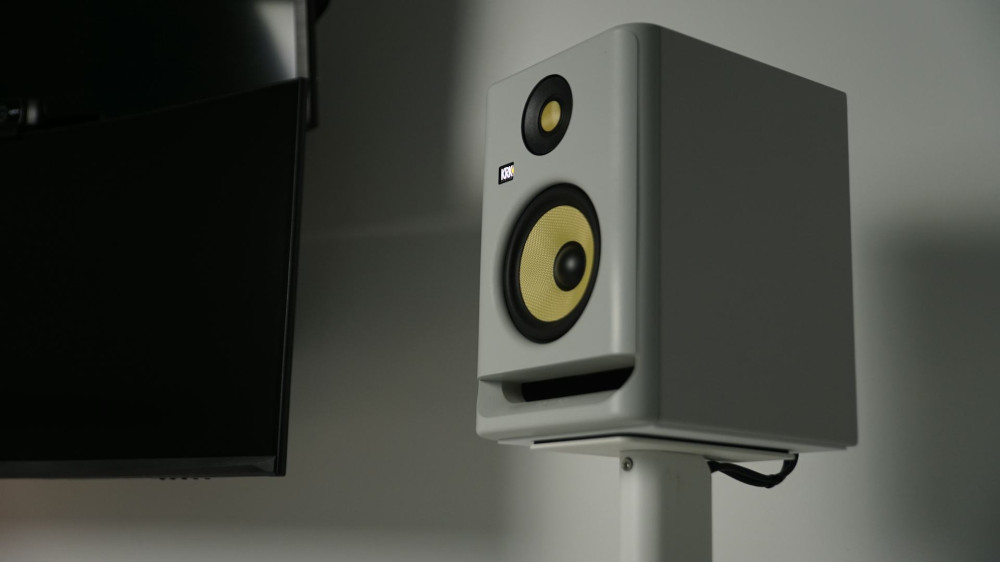
The challenge of managing sound in contemporary commercial settings is highlighted by the fact that a single nearby conversation can reduce worker productivity by 66 percent in the moment. This significant drop in efficiency is often caused by poor sound management in open-plan offices, where reverberation and background noise degrade speech intelligibility. To combat these issues, businesses are turning to advanced solutions that incorporate sound masking and immersive audio. These systems use low-level broadband noise to mask distractions, while sophisticated loudspeaker arrays ensure even sound distribution throughout the space. By visiting biampeurope.com, organizations can explore professional audio systems specifically engineered to address these common acoustic deficiencies in large and small office environments alike.Strategies for seamless integration
Achieving a high-performance office environment involves a holistic approach that pairs structural design with intelligent technology. Interior designers play a vital role by selecting materials that naturally dampen sound, such as soft textiles, acoustic panels, and sound-absorbing ceiling tiles. When these elements are integrated with professional audiovisual solutions, the office becomes a multifunctional hub that supports both deep focus and team collaboration. The following strategies are essential for maintaining this balance: The ultimate goal of this synergy is to create a space where employees feel comfortable and capable of producing their best work. When technology is treated as a core component of interior design rather than an afterthought, the result is a seamless, functional environment that reflects the brand identity of the company. As hybrid work models continue to evolve, the demand for high-quality audio and refined interior spaces will only grow in importance. By embracing a collaborative methodology, businesses can mitigate the negative impacts of office noise and create a sustainable, high-performance workplace that truly serves the needs of its people.Stay updated - sign up
A few times a month we send something you will enjoy.
Enter your email here
Register
Registration completed - thank you
I agree with the websites terms and data use.
When you sign up for our newsletter, you accept our rules for data processing and use. You can withdraw your consent at any time and unsubscribe with one click.