Smart Offices with IoT: Efficient Use of Resources and Space

Smart Offices with IoT: Efficient Use of Resources and Space
The modern office is evolving. With the Internet of Things (IoT), workplaces are becoming more than just physical spaces—they are turning into intelligent environments that adapt to employees’ needs and help organizations use their resources more efficiently. From sensors that monitor air quality to systems that automatically adjust lighting and temperature, IoT is transforming how we think about office design and management.
What Is a Smart Office?
A smart office is a workspace where technology and data work together to create a more efficient, comfortable, and sustainable environment. IoT devices—such as sensors, cameras, and smart control systems—continuously collect information about how the office is being used. This data can then be analyzed to optimize everything from energy consumption to space utilization.
For example, motion sensors can track which meeting rooms are actually being used and for how long. This allows companies to adjust the number of rooms or redesign layouts to make better use of available space. Employees can also check room availability in real time through an app, saving time and reducing frustration.
Making the Most of Office Space
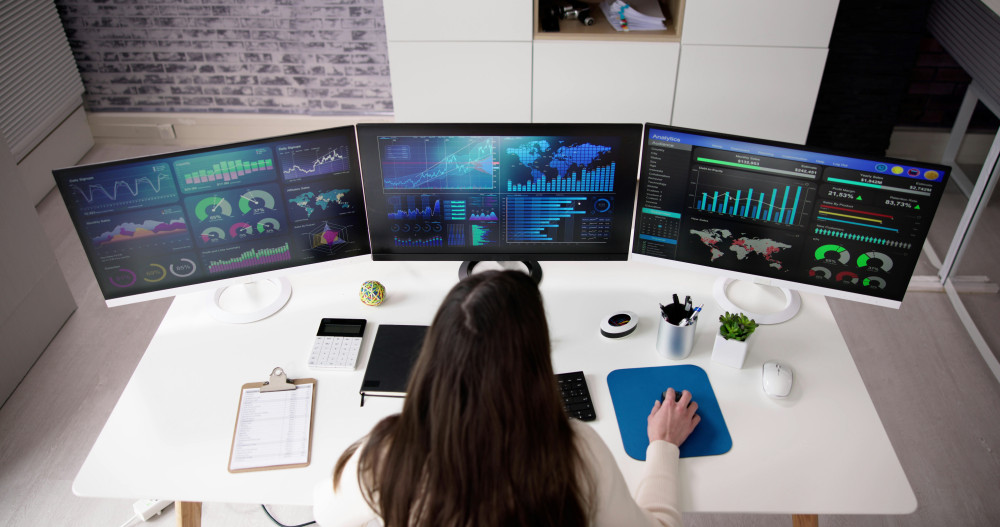
In many U.S. companies, a significant portion of office space sits empty during the day—especially as hybrid work becomes the norm. IoT can help map how the office is truly used, providing a realistic picture of the need for workstations, meeting rooms, and collaborative areas.
By analyzing sensor data, management can identify usage patterns: When is the office busiest? Which areas are underutilized? This insight makes it possible to reduce unnecessary square footage, convert unused rooms into flexible zones, or create quiet areas where focus is needed.
The result is an office that better fits employees’ work styles while saving the company money on rent, utilities, and maintenance.
Energy Efficiency and Sustainability
One of the most tangible benefits of IoT in office environments is energy savings. Smart sensors can automatically regulate lighting, heating, and ventilation based on occupancy and environmental conditions. If a meeting room is empty, the lights and HVAC system can turn off automatically. If carbon dioxide levels rise, ventilation can increase to maintain air quality.
These small adjustments add up to significant savings—both financially and environmentally. In addition, the data collected can support corporate sustainability reporting, which is becoming increasingly important as U.S. companies face growing expectations for transparency and environmental responsibility.
Enhancing Well-Being and Productivity
A smart office isn’t just about efficiency—it’s also about well-being. IoT can help create a healthier, more comfortable work environment by monitoring factors such as temperature, humidity, and noise levels. If air quality drops, the system can automatically improve ventilation or alert employees to open windows.
Some companies are taking personalization even further. When an employee logs into their workstation, the desk height, lighting, and temperature can automatically adjust to their preferences. This level of customization supports comfort, focus, and productivity throughout the workday.
Læs også:


Challenges and Data Security
Despite its advantages, IoT also raises important questions about data privacy and security. When sensors collect information about movement, occupancy, and behavior, it’s essential that this data is handled responsibly and anonymized to protect employees’ privacy.
Companies should establish clear policies on what data is collected and how it is used. Transparency and trust are key to ensuring that technology enhances the workplace rather than creating concerns about surveillance.
The Future Office: Flexible and Data-Driven
IoT is not a distant vision—it’s already reshaping offices across the United States. As hybrid work continues to redefine how and where people work, the need for flexible, data-driven solutions will only grow.
The office of the future will be a dynamic environment that adapts to employees’ rhythms, reduces waste, and supports both well-being and efficiency. IoT is the key to achieving that balance—between people, technology, and resources—that defines the modern workplace.
Læs også: