Learn from Your Colleagues: Mentorship as a Path to Stronger IT Skills


Learn from Your Colleagues: Mentorship as a Path to Stronger IT Skills
In a world where technology evolves faster than ever, keeping IT skills up to date is a challenge for many organizations. New systems, digital tools, and automated processes demand continuous learning—but how can companies create a culture where knowledge is shared naturally, and everyone feels comfortable learning new things? One effective approach is mentorship: colleagues helping colleagues grow by sharing their experience and insights.
Mentorship as Part of Everyday Work
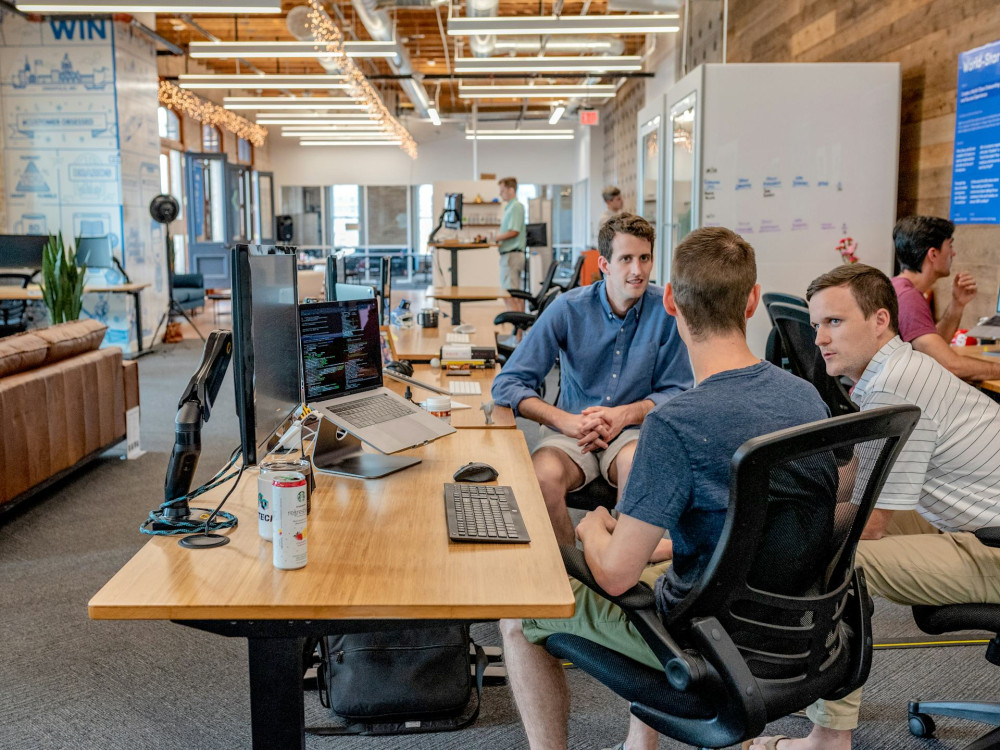
Mentorship doesn’t have to be formal or time-consuming. In many workplaces, it works best when it’s woven into daily routines. A seasoned employee might take a new hire under their wing, demonstrate how a system works in practice, and share small tips that make tasks easier.
It’s not just about learning technical skills—it’s also about understanding how technology supports the business. A mentor can help translate complex IT solutions into practical workflows, making technology more accessible to everyone on the team.
Benefits for Both Mentor and Mentee
A mentorship program strengthens not only the person learning but also the one teaching. Mentors get the chance to reflect on their own knowledge, discover new perspectives, and improve their communication skills. Meanwhile, mentees gain confidence and motivation by receiving guidance from someone who understands their challenges.
Research shows that companies with active mentorship or “buddy” programs often see higher employee satisfaction and faster onboarding for new hires. Mentorship fosters a sense of community and continuous learning—both essential in today’s digital workplace.
How to Get Started
Building a mentorship program doesn’t require a big budget, but it does require planning and leadership support. Here are a few steps to help you begin:
- Define the purpose. Is the goal to strengthen general IT skills, support new employees, or help teams master specific systems?
- Choose mentors carefully. A great mentor isn’t necessarily the most technical person, but someone who can explain things clearly and build trust.
- Create structure. Schedule regular check-ins or short learning sessions to keep the process consistent.
- Recognize the effort. Make it clear that mentorship matters—acknowledge mentors in team meetings or internal communications.
When mentorship becomes part of the company culture, it’s easier for everyone to ask questions, share knowledge, and learn together—without it feeling like an extra task.
Digital Tools as Support
While mentorship is built on personal relationships, digital tools can make the process smoother. Internal chat channels, knowledge-sharing platforms, and short how-to videos can help employees exchange ideas and solve problems across departments.
Some organizations also appoint “IT ambassadors”—employees who act as local experts for specific systems. They can quickly assist colleagues when issues arise and collect feedback to improve tools and workflows.
Læs også:



An Investment in the Future
Investing in mentorship is an investment in both people and technology. When employees learn from one another, the organization becomes more resilient, adaptable, and ready for change. It builds a culture where learning isn’t limited to occasional training sessions but is part of everyday work.
Ultimately, mentorship turns knowledge into a shared resource—and reminds us that our colleagues are our greatest source of growth. In a digital world, it’s not just the technology that makes the difference, but the people who use it together.
Læs også: